Pilgrim Woman - The story behind the sculpture
Pilgrim Woman began as a commission to mark the 400th anniversary of the Mayflower's sailing in 1620.
As I began researching the project, I became increasingly interested in the stories surrounding the familiar narrative of the Mayflower — the reasons people left their homes, the communities they came from, the journeys they made and the different perspectives that have shaped how this history is remembered.
The project became an opportunity to look beyond the single story of a voyage and explore the much wider network of people, places, beliefs and experiences connected to it.
Research became inseparable from the making. I worked with historians, academics, community groups and other specialists, allowing the project to develop through conversation as well as through sculpture.
Looking beyond the familiar story
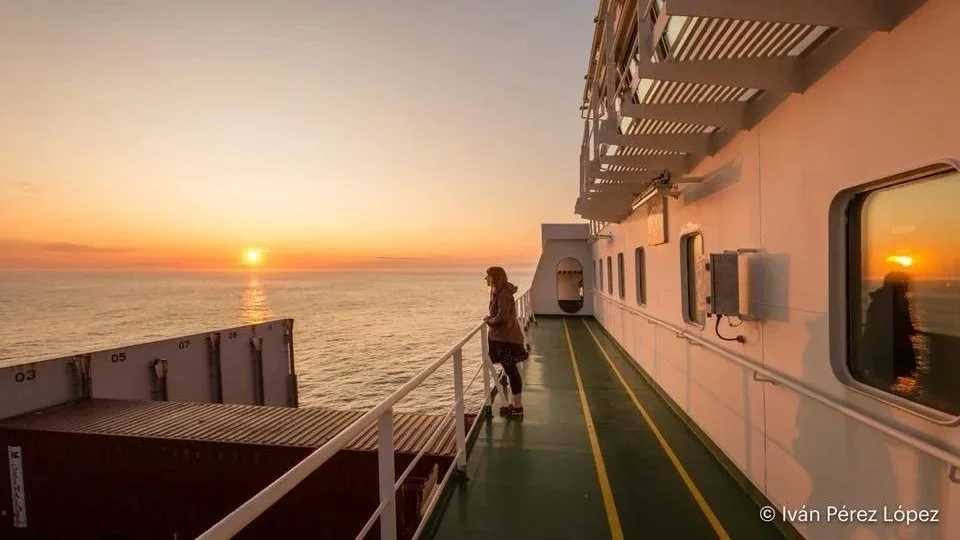
The Mayflower story is often told as a story of departure and arrival — a group of people leaving England in search of religious freedom and beginning a new life across the Atlantic.
As I researched the project, I became interested in the stories that sit around and behind this familiar narrative. What were the circumstances that led people to leave? What did migration mean for those who made the journey, and for the people already living in the places they travelled to?
I worked with historians, academics and specialists in the UK, the Netherlands and the United States, as well as representatives of the Wampanoag Nation, whose history and connection to the land predate the arrival of the Mayflower.
These conversations challenged me to look at the story from multiple perspectives rather than as a single, linear account. They brought questions of migration, religious persecution, belonging, power and whose voices are remembered into the heart of the project.
For me, this became an important part of the making. The sculpture could not simply represent a historical event; it needed to carry something of the complexity of the stories surrounding it.
Making together
The project grew through conversations and shared making.
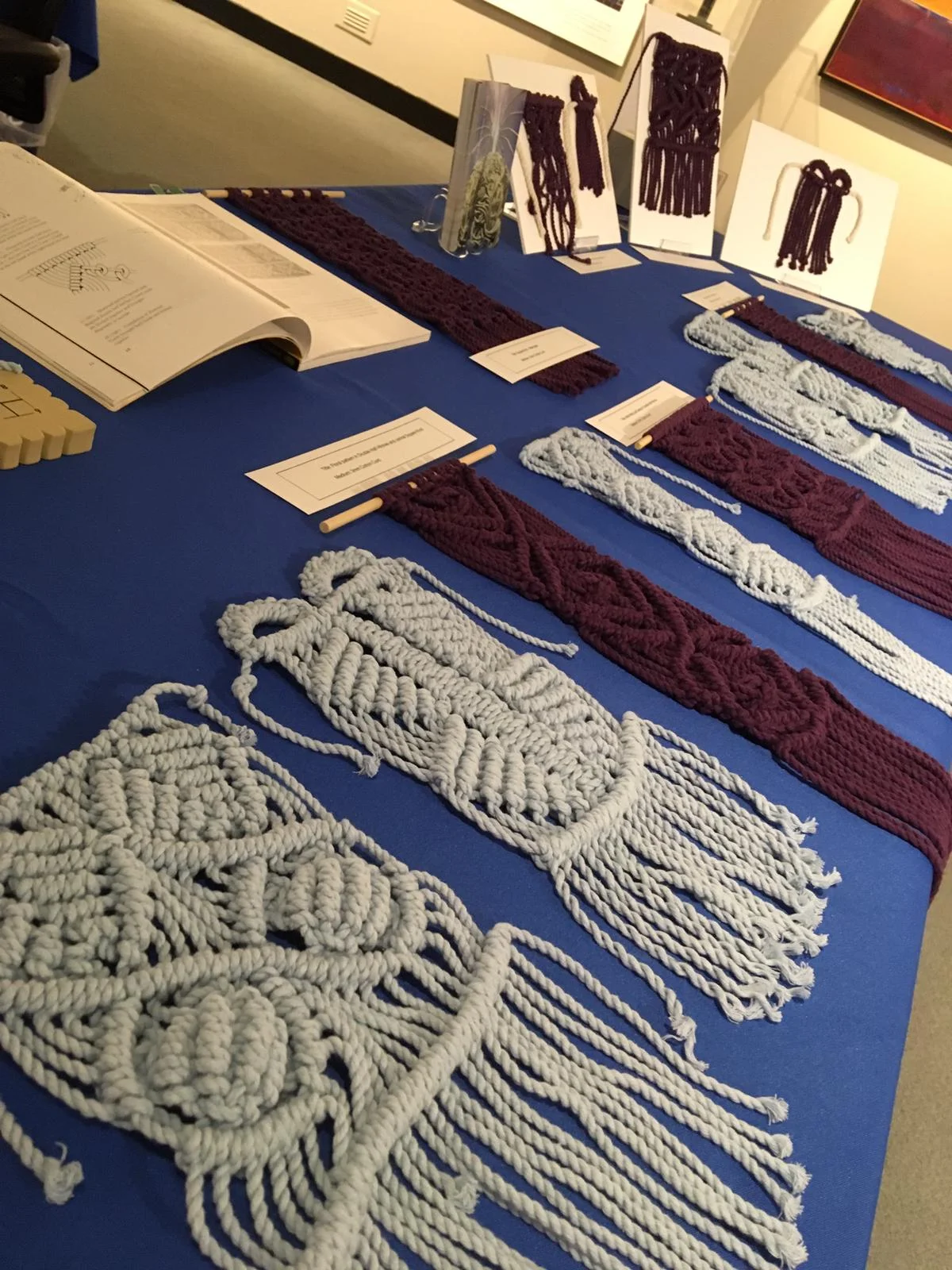
Community groups in the UK and the United States were invited to explore the story through weaving, creating their own woven pieces in response to the themes of journey, migration and belonging.
These pieces became part of the wider visual language of Pilgrim Woman. Each one carried the rhythm and decisions of the person who made it — different hands, materials and patterns coming together to create a collective body of work.
For me, this was an important shift in the way I think about sculpture. The work was no longer something made solely in my studio. It became a shared process, with many hands contributing to the story.
The act of weaving became a way of connecting people across time and distance, while creating something tangible from their individual responses to the project.
-
![]()
Visitors to the Pilgrim Monument Museum weaving with Rachel
-
![]()
Provincetown and the Pilgrim Monument
-
![]()
Macrame panels, part of the weaving research
-
![]()
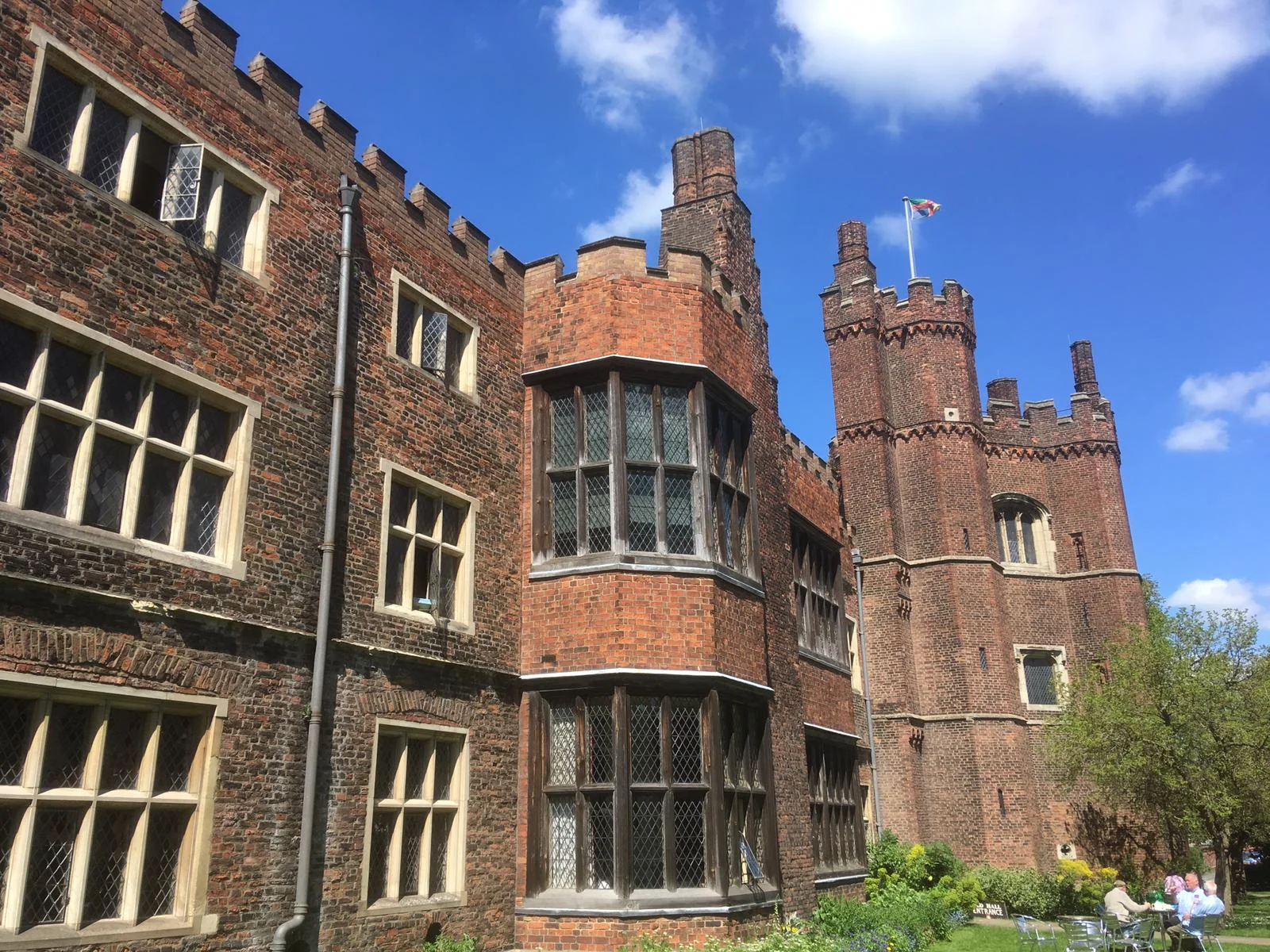
Macrame workshops at Gainsborough Old Hall


From weaving to sculpture
The woven pieces became the starting point for the sculpture itself.
I brought together the different patterns, textures and structures created through the project, considering how they might be translated into a three-dimensional form.
The process moved between the hands of the participants and my own studio practice. Threads and woven structures were manipulated, joined and transformed, eventually becoming part of the form of Pilgrim Woman.
As the sculpture developed, the individual contributions became part of something larger. The different gestures and patterns remained visible, allowing the finished work to retain a trace of the people who had helped create it.
The sculpture became a physical record of the project — of research, conversation, making and shared experience.
-
![]()
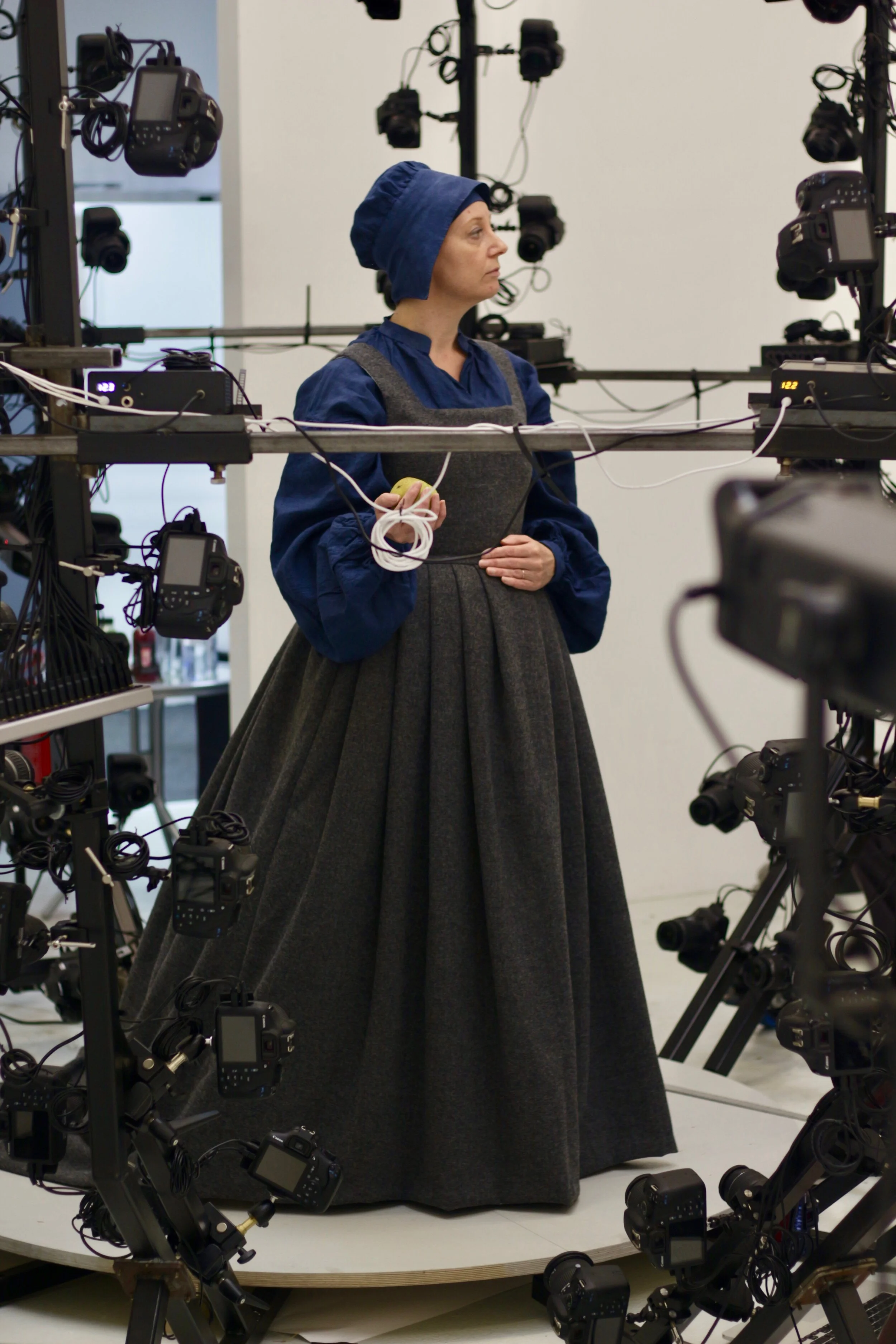
Scanning the Dress
-
![]()
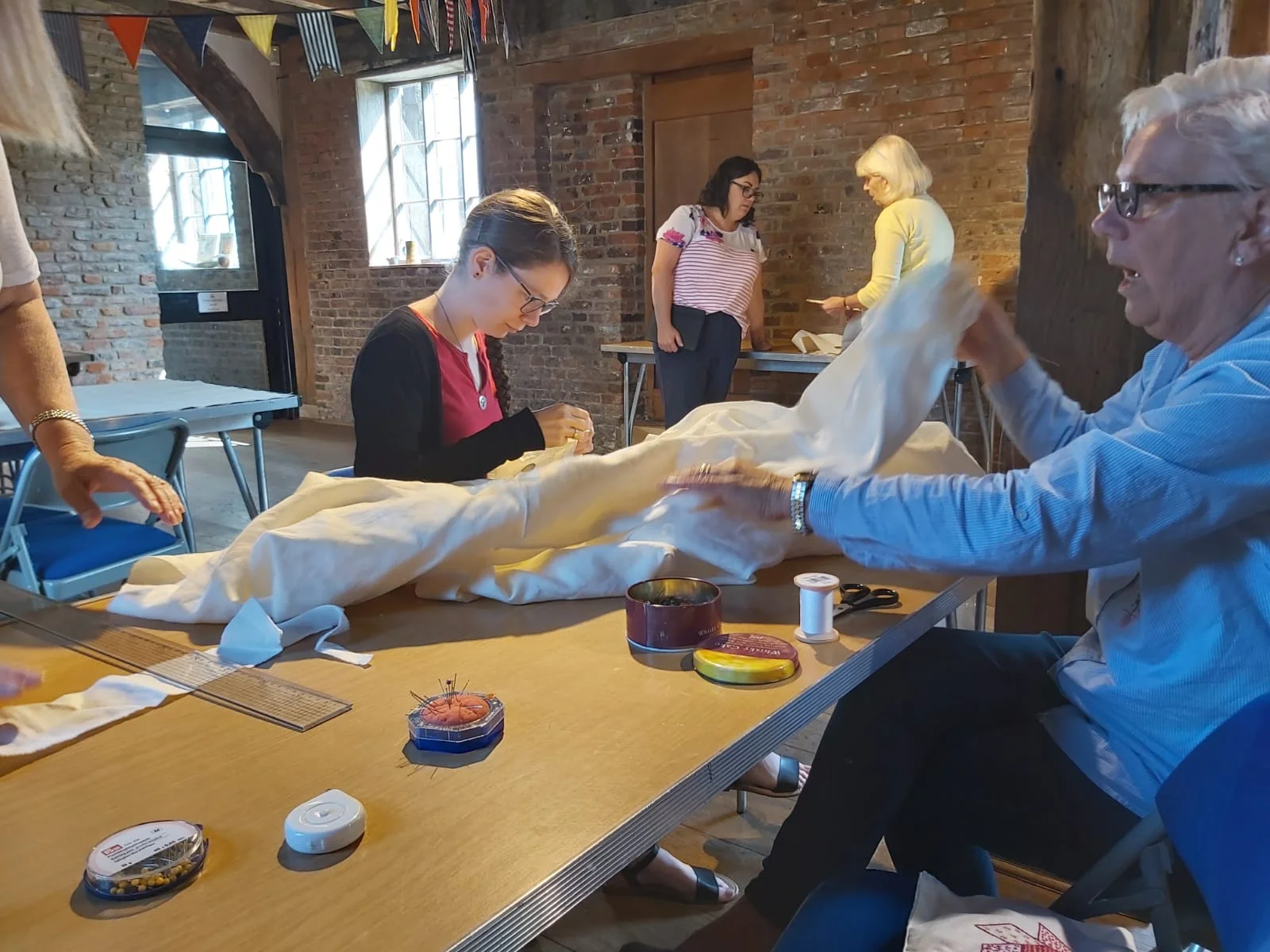
The historic stitching group at Gainsborough Old Hall
-
![]()
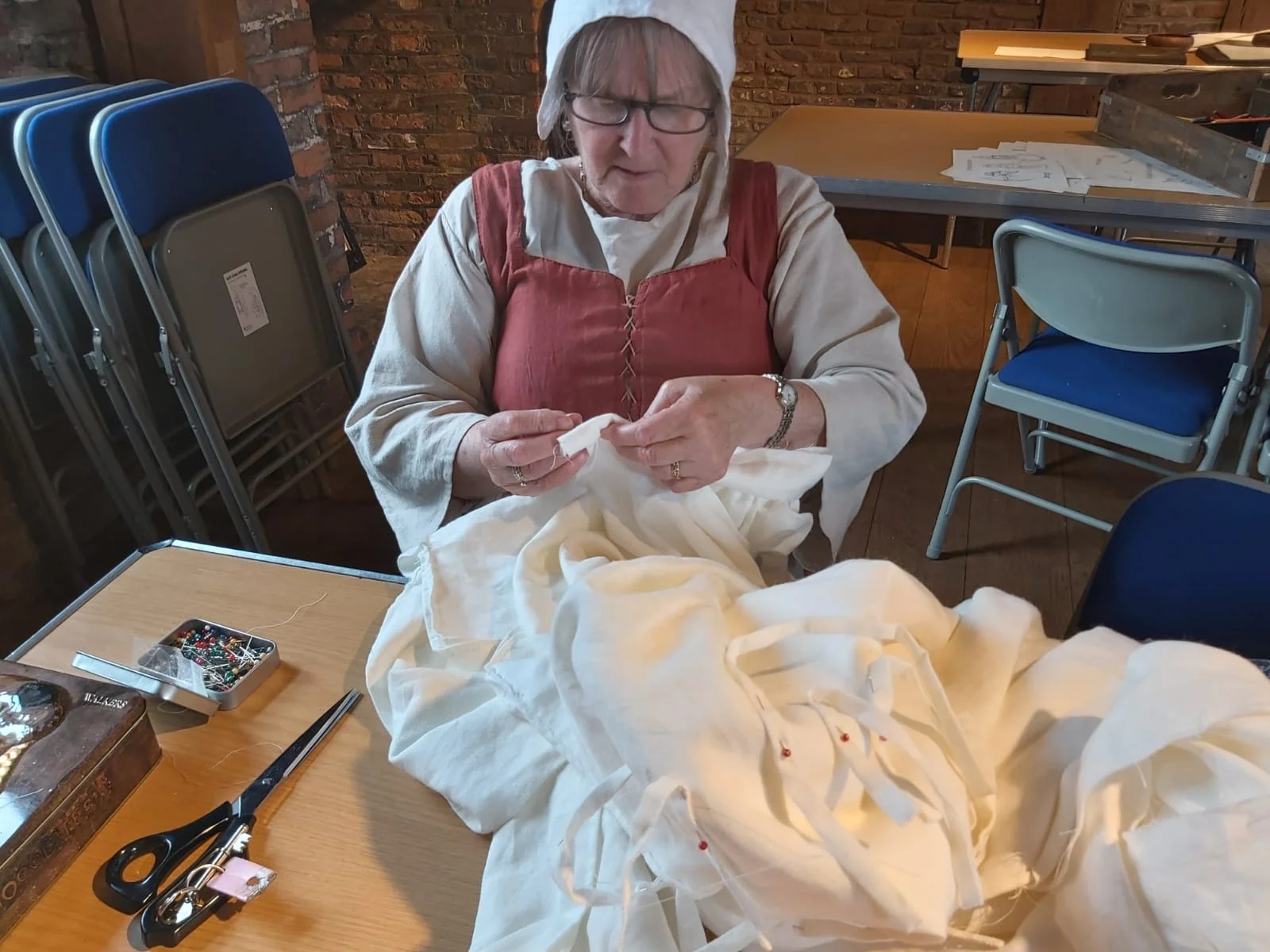
One of the stitching group
-
![]()
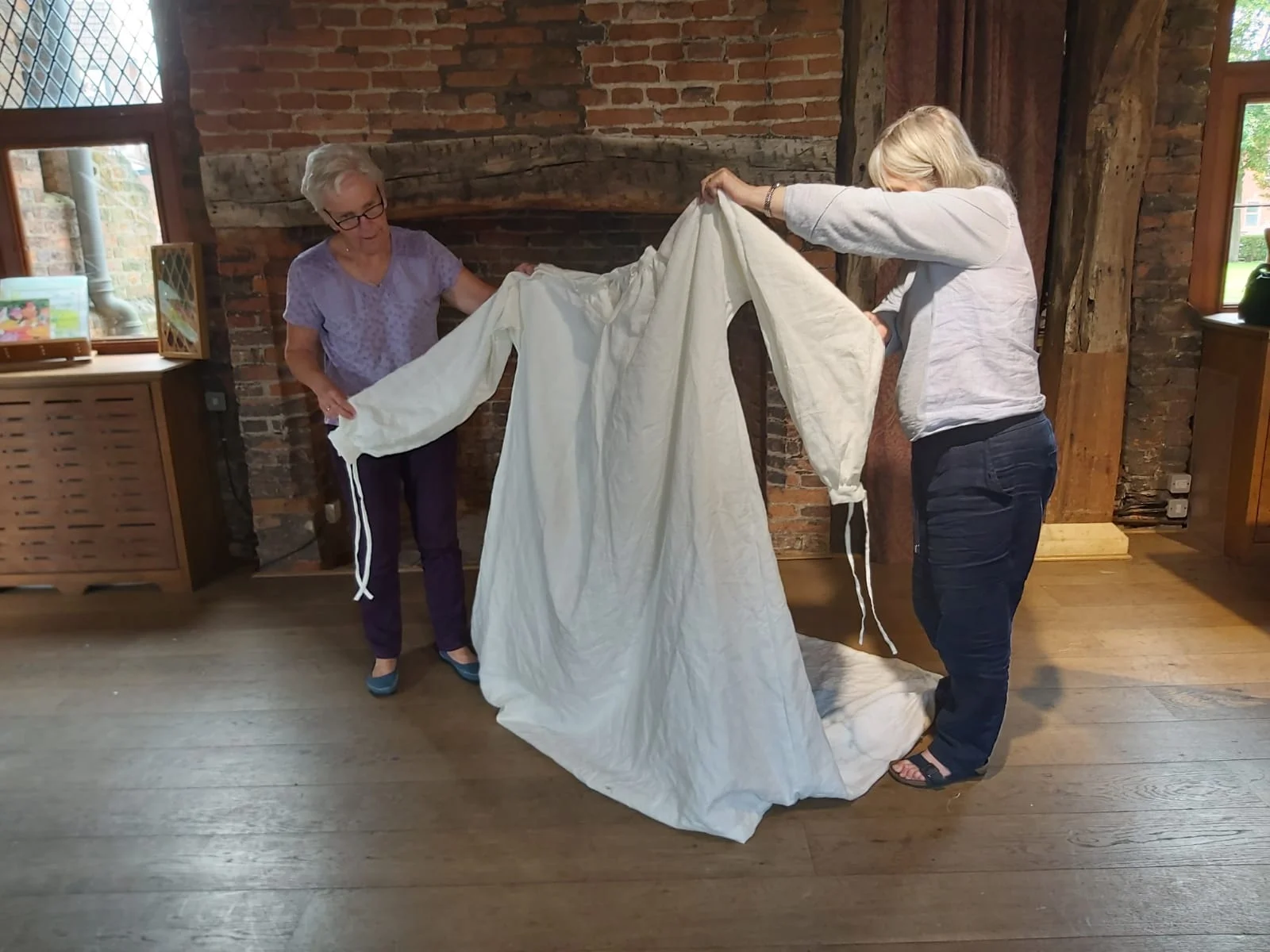
The Shift, the under-garment for Pilgrim Woman